Selecting the right surface for your living space is a significant decision that combines aesthetics with long-term functionality. Among the various modern solutions available, epoxy flooring has emerged as a premier choice for homeowners seeking durability and style.
This versatile coating transforms standard concrete into a high-performance, decorative surface suitable for various areas of the house.
1. Evaluate the Condition of the Existing Substrate
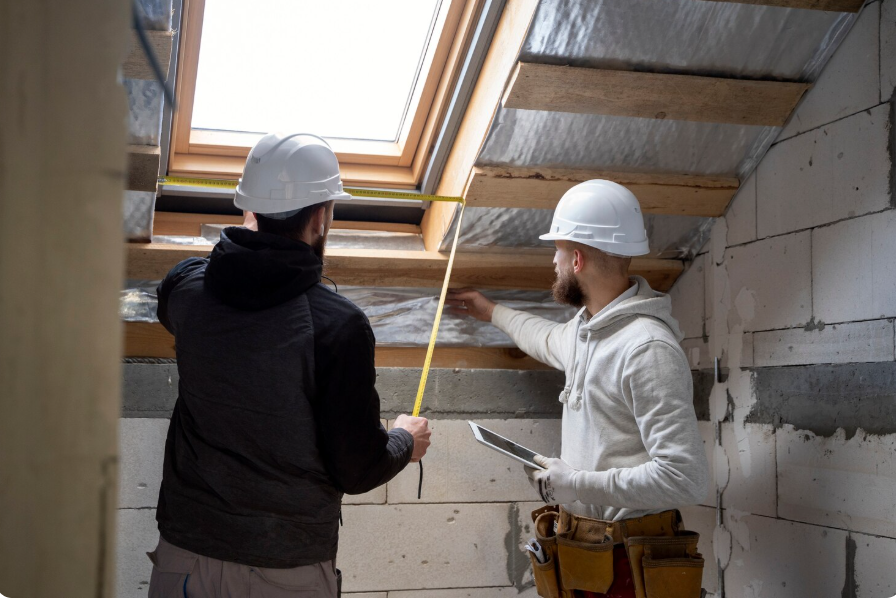
Before applying any coating, the state of your concrete floor is the most critical factor. Epoxy requires a solid, clean, and porous surface to bond correctly. If your concrete is cracking, crumbling, or has significant moisture issues, these must be addressed first.
A professional moisture test is often recommended, as rising dampness can cause the resin to delaminate or bubble over time, compromising the integrity of your investment.
2. Determine the Intended Use of the Area
The specific room where you plan to install epoxy flooring dictates the type of resin system required. For instance, a garage floor demands high chemical resistance to withstand oil spills and hot-tire pickup.
Conversely, a basement or kitchen might prioritize slip resistance and aesthetic warmth. Understanding the traffic patterns and potential exposure to spills will help you choose between solid, solvent-based, or water-based epoxy systems.
3. Select the Desired Aesthetic and Finish
One of the greatest advantages of this material is its design flexibility. You can choose from a wide array of colors, metallic pigments, or decorative flakes.
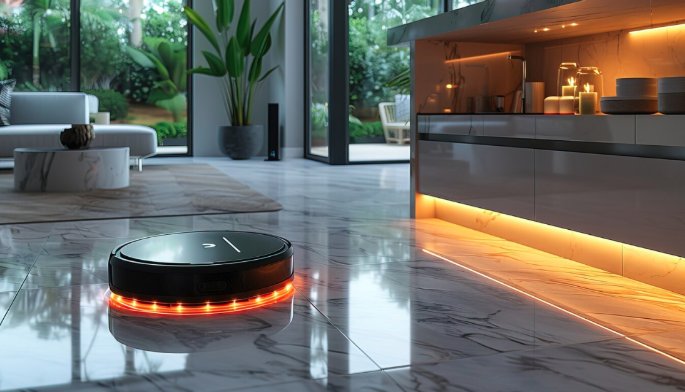
Metallic finishes offer a high-end, marbled appearance perfect for modern interiors, while flake systems provide a textured, granite-like look that hides dirt effectively. The choice of topcoat—ranging from high-gloss to satin—will also impact the overall ambiance and light reflectivity of the room.
4. Prioritize Safety and Slip Resistance
While a high-gloss epoxy flooring system looks stunning, it can become slippery when wet. Safety should never be overlooked, especially in areas prone to spills like kitchens or laundry rooms.
To mitigate this risk, you should consider adding anti-slip additives such as aluminum oxide or fine sand into the final coat. These aggregates provide necessary traction without significantly altering the visual appeal of the floor.
5. Assess Maintenance and Longevity Requirements
Homeowners often choose resinous coatings because they are incredibly easy to clean. Because the surface is seamless and non-porous, it does not harbor dust, allergens, or bacteria.
However, different formulations offer varying levels of UV stability. If the area receives direct sunlight, choosing a UV-resistant topcoat like polyaspartic or polyurethane is vital to prevent the surface from yellowing or becoming brittle over the years.
6. Consider Professional Installation Versus DIY
While DIY kits are available, achieving a flawless epoxy flooring finish requires precise surface preparation, including diamond grinding or acid etching. Professional installers possess the industrial equipment and expertise to ensure a chemical bond that lasts for decades.
Investing in professional application often saves money in the long run by avoiding common pitfalls like peeling, uneven thickness, or improper curing. Ultimately, expert help ensures the floor remains a stunning and resilient feature of your home for years to come.