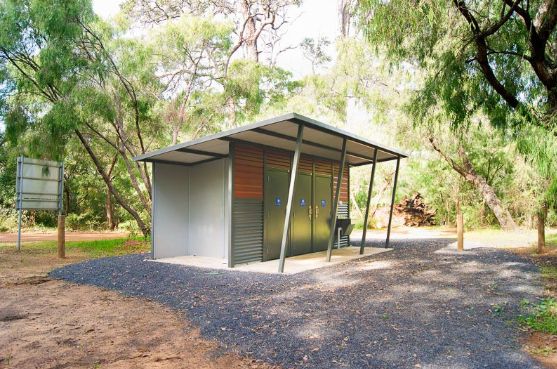
Outdoor restrooms are essential for events, construction sites, and parks. They offer convenience but can quickly become unhygienic if not properly maintained. Keeping these facilities clean and safe requires planning, regular attention, and the right equipment. Following best practices ensures that visitors have a positive experience and that health risks are minimized.
Routine Cleaning Schedules For Portable Potty Maintenance
A portable potty is a self-contained restroom unit designed for temporary use outdoors. Regular cleaning schedules are critical for maintaining hygiene. Daily checks help prevent odor buildup and surface contamination. Cleaning should include scrubbing surfaces, refilling hand sanitizers, and emptying waste tanks. Consistent attention ensures the portable potty remains safe and welcoming for all users.
Implementing Effective Waste Management Strategies
Waste management involves the safe collection, transport, and disposal of human waste from outdoor restrooms. Proper strategies reduce environmental impact and health hazards. Portable restroom services must follow protocols for handling waste safely. Using secure tanks, sealing waste properly, and scheduling frequent pickups are key steps. Effective waste management ensures cleanliness while maintaining compliance with local regulations.
Using Eco-Friendly Products For Portable Potty Care
Maintaining a portable potty can also prioritize environmental safety. Biodegradable cleaning solutions reduce chemical exposure and protect surrounding soil and water. Eco-friendly products break down waste naturally, minimizing harmful residues. Incorporating these solutions supports sustainable waste management practices and keeps the restroom environment safe for visitors.
Regular Inspections To Ensure Safety And Hygiene
Frequent inspections help identify issues before they become serious. Check for leaks, broken doors, or unclean surfaces. Inspections ensure that waste management protocols are being followed. Staff should monitor both cleanliness and structural integrity. Timely maintenance prevents unpleasant surprises and enhances user confidence in the outdoor restroom facilities.
Proper Placement Of Outdoor Restrooms
Placement plays a critical role in maintaining a safe and clean environment. Portable potties should be situated on stable ground, away from water sources and high-traffic areas. Proper positioning minimizes contamination risks and makes cleaning easier. Strategic placement also improves accessibility, ensuring that facilities serve the intended audience efficiently.
Staff Training For Efficient Portable Potty Management
Well-trained staff are crucial for maintaining clean and safe outdoor restrooms. Employees should know proper cleaning techniques, waste management protocols, and safety precautions. Training ensures that portable potties are serviced efficiently and consistently. Staff who understand hygiene standards can quickly address issues, reducing risks of contamination and keeping facilities pleasant for all users. Properly trained personnel are the backbone of effective outdoor restroom maintenance.
Stocking Supplies For Optimal Use
Restrooms are only as effective as the supplies available inside. Adequate toilet paper, hand sanitizers, and deodorizing products are essential. Keeping these items well-stocked supports hygiene and encourages proper usage. Maintenance staff should check supplies regularly and replenish them as needed. This simple step enhances both cleanliness and user experience.
Conclusion
Maintaining clean and safe outdoor restrooms requires diligence and careful planning. Incorporating routine cleaning, effective waste management, and regular inspections creates a hygienic environment. Proper placement, eco-friendly products, and stocked supplies further enhance safety. By following these best practices, event organizers and facility managers can ensure that portable potties serve their purpose effectively, keeping both visitors and the environment protected.
