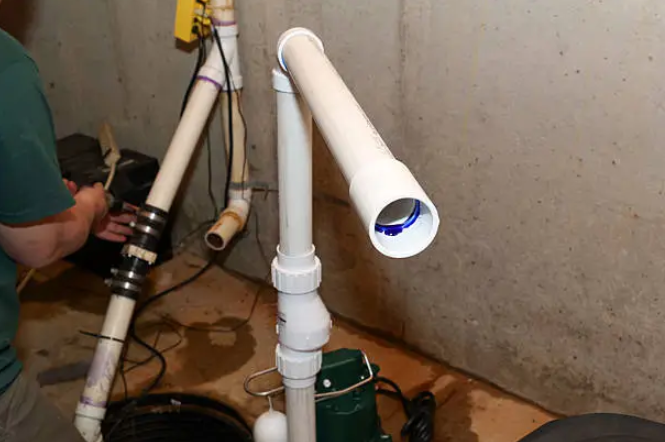
Beneath the visible surface of any well-maintained property lies a network of systems and materials that determine how reliably and safely it functions. Drainage infrastructure and foundational construction materials are two areas that receive little attention until something goes wrong, yet both play critical roles in the long-term health and stability of any property.
Understanding these essentials helps owners make informed decisions about maintenance and construction.
The Role of Regular Main Line Cleaning
Wastewater drainage depends on a clear, unobstructed flow path from the property’s fixtures to the external sewer or septic system. Professional main line cleaning ensures that this critical pathway remains free of the deposits and blockages that develop naturally over years of use.
Grease, soap scum, hair, mineral scale, and in some cases tree root intrusion all contribute to restricted flow that worsens gradually until drainage slows, backing up into sinks, tubs, and floor drains. Hydro-jetting, the most effective professional cleaning method, uses high-pressure water to scour the interior walls of the main line completely clean, restoring full pipe diameter and flow capacity.
Building on a Solid Foundation with Construction Aggregate
Every construction project, from a simple garden path to a major commercial building, depends on appropriate base materials. Proper construction aggregate, which includes crushed stone, gravel, sand, and recycled concrete materials, forms the foundation layer beneath paved surfaces, provides drainage around structures, and serves as a key ingredient in concrete and asphalt mixes.
The quality and gradation of aggregate material directly affects the strength, stability, and longevity of whatever is built on or with it. Selecting the right type and specification of aggregate for each application is an important technical decision.
Investing in Hidden Infrastructure
Both clean drainage lines and quality construction materials represent investments in the hidden infrastructure that makes a property function properly. Neither is glamorous, and both are easy to overlook when budgeting for property improvements. But the consequences of neglecting either are tangible and costly.
A property with clean, well-maintained drainage and properly constructed foundations experiences fewer unexpected problems and requires less emergency intervention over its lifetime. These are the fundamentals that everything else built on or in the property depends upon.
Preventive Inspections and Maintenance Planning
Regular inspections are one of the most effective ways to protect a property from serious infrastructure problems. Small issues in drainage systems or structural layers often start in ways that are not visible on the surface. Over time, these small issues can grow into major failures if no one detects them early.
By scheduling routine checks for plumbing lines, drainage flow, and foundational areas, property owners can identify warning signs before they turn into expensive repairs. Preventive maintenance also helps extend the life of key systems inside a property. When professionals inspect drainage lines, they can spot early buildup, minor cracks, or root intrusion before a full blockage happens.
Conclusion
Understanding and investing in essential infrastructure, whether that means maintaining clear drainage through regular main line cleaning or sourcing quality construction aggregate for building projects, is a mark of thoughtful property stewardship. These are not exciting investments, but they are reliable ones that protect everything else the property owner values.
Professional guidance in both areas ensures that decisions are made on solid technical grounds and that the results perform as expected for years to come.