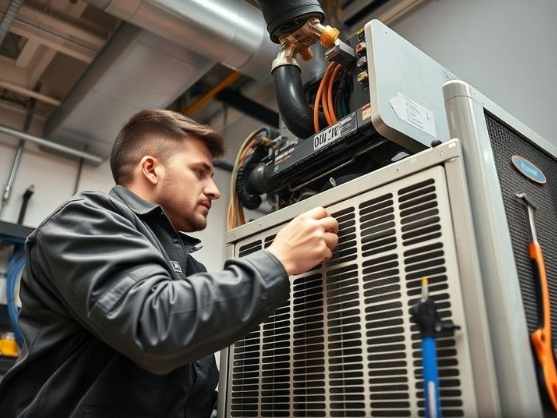
A well-functioning heating, ventilation, and air conditioning setup is vital for comfortable living. Homes rely on these systems to regulate temperature, maintain air quality, and ensure energy efficiency. Neglecting maintenance can lead to higher costs, unexpected breakdowns, and decreased air quality. Understanding the importance of care for your system helps homeowners protect both comfort and investment.
Understanding A Residential HVAC System
A residential HVAC system is the backbone of home comfort. It combines heating, cooling, and ventilation to create a balanced indoor environment. Regular maintenance ensures that each component works in harmony. Ignoring small issues can result in major repairs or a complete system failure. Homeowners who understand their system’s workings are better equipped to spot early signs of trouble, keeping their residential HVAC system reliable and efficient.
Energy Efficiency Through Regular Maintenance
Energy efficiency is one of the primary benefits of maintaining a residential HVAC system. Clean filters, properly charged refrigerant, and well-lubricated parts reduce the system’s energy consumption. Homes with neglected systems often experience rising energy bills due to overworked components. Routine checkups keep the system running at peak performance, saving money and reducing environmental impact. A well-maintained residential HVAC system ultimately balances comfort and cost.
Air Quality Improvements In Homes
Indoor air quality directly affects health and well-being. Dust, mold, and allergens can accumulate in ducts and filters of a residential HVAC system. Maintenance tasks such as cleaning filters, checking ducts, and inspecting coils remove contaminants. This prevents circulation of harmful particles and improves the overall air quality inside the home. Homeowners investing in regular care enjoy cleaner, healthier air throughout their living spaces thanks to a properly serviced residential HVAC system.
Extending Lifespan Of A Residential HVAC System
Regular maintenance is key to prolonging the life of a residential HVAC system. Components wear down naturally, but proper care minimizes strain and prevents premature breakdowns. Scheduled inspections identify issues like worn belts, refrigerant leaks, or electrical faults before they escalate. By extending the system’s lifespan, homeowners delay costly replacements and maintain consistent performance. A well-maintained residential HVAC system can easily serve a household efficiently for many years.
Cost Savings And Preventive Care
Maintenance not only improves efficiency but also reduces repair costs. Small issues can escalate into major problems if left unaddressed. Preventive care includes filter changes, lubrication, and seasonal inspections. This approach prevents sudden failures and unexpected expenses. Over time, consistent maintenance saves homeowners significant amounts while ensuring comfort. The cost benefits highlight why prioritizing your residential HVAC system is a smart choice.
Seasonal Preparations And Adjustments
Homes experience varying temperatures throughout the year, making seasonal preparation essential. Winter heating and summer cooling demand different system performance. Maintenance ensures that the residential HVAC system adapts to these changes efficiently. Checking thermostats, inspecting insulation, and cleaning components before extreme seasons helps the system operate reliably. Preparing for seasonal shifts protects both comfort and energy efficiency.
Conclusion
Maintaining a residential HVAC system is not just a technical task—it is a crucial investment in home comfort and safety. Regular care enhances energy efficiency, improves air quality, prevents costly repairs, and extends the system’s lifespan. Homeowners who prioritize routine maintenance enjoy consistent comfort, lower bills, and a healthier living environment. A well-maintained residential HVAC system is essential for any modern home, combining reliability, efficiency, and peace of mind.